


-

Add: HeBei ShengShi HongBang Cellulose Technology CO.,LTD.
-

Email
13180486930@163.com -

CONTACT US
+86 13180486930



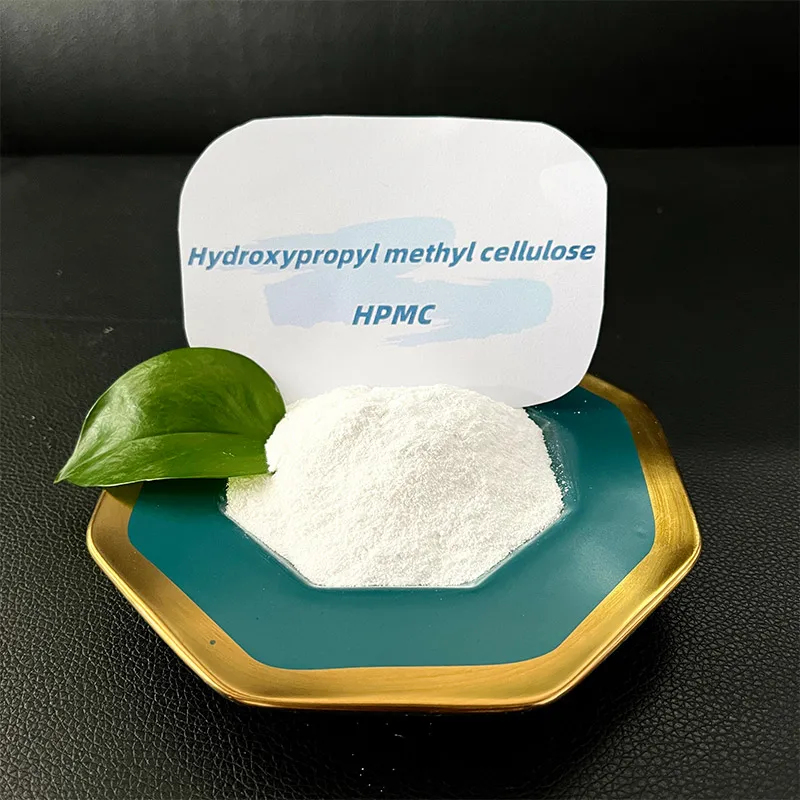
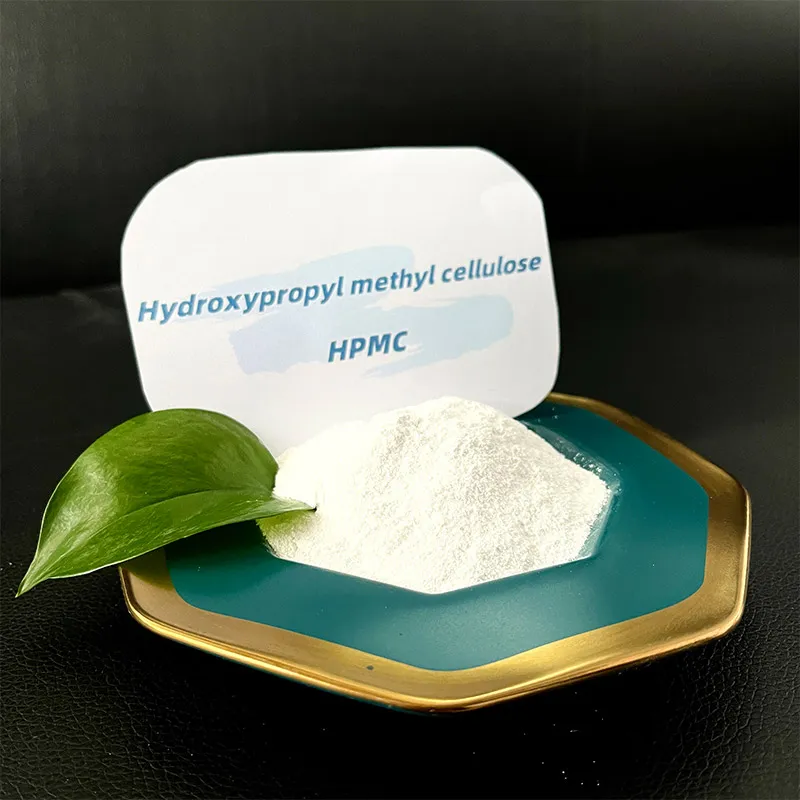
Hydroxypropyl methylcellulose (HPMC) E15 is a versatile polymer used widely in various industries due to its exceptional properties. Known for its high quality and consistent performance, HPMC E15 is a product that guarantees effective solutions in applications ranging from pharmaceuticals to construction. Professionals across the globe trust this specific grade for its unique characteristics and benefits. One of the defining properties of HPMC E15 is its solubility in both hot and cold water, allowing for flexibility in formulation development. This feature makes it ideal for use in products where precise control of viscosity is required. Unlike other cellulose ethers, HPMC E15 maintains stability across a broad range of temperatures, making it reliable for applications exposed to extreme environmental conditions. In the pharmaceutical industry, HPMC E15 is esteemed for its role as an excipient, where it serves as a binder, film former, and controlled-release agent. Its non-ionic nature ensures compatibility with a wide array of active pharmaceutical ingredients (APIs), contributing to the efficiency of drug formulations. The ability of HPMC E15 to form a gel upon hydration is particularly valued in creating controlled-release drug delivery systems, optimizing the therapeutic effect by maintaining consistent drug levels in the bloodstream over time. From the perspective of food technology, HPMC E15 offers remarkable properties as a stabilizer, emulsifier, and thickener. Its ability to control the texture of food products without altering flavor or aroma makes it highly sought after. HPMC E15 is extensively used in gluten-free recipes, where it mimics the viscoelastic properties of gluten, thereby improving the texture and moisture retention of baked goods. hpmc e15 properties In the construction industry, HPMC E15 is recognized for enhancing the performance of cement-based products. It improves the workability of mortar, acts as a water retention agent, and prevents segregation, ensuring a uniform mix. Moreover, it increases the open time of mortars, allowing for better adhesion and ease of application. These attributes not only enhance the quality of the work but also contribute to reducing overall costs by minimizing material waste and increasing application efficiency. The synergy of HPMC E15’s properties ensures its authoritative position in these industries . Its biocompatible and biodegradable nature further underscores its environmental and consumer safety credentials, addressing regulatory concerns and promoting sustainability. The trustworthiness of HPMC E15 is underscored by rigorous testing and certifications from industry-standard bodies, ensuring that it complies with health and safety regulations globally. From an expertise standpoint, selecting HPMC E15 involves understanding the nuanced benefits it provides over other grades or comparable products. Experts recognize that the balance of viscosity, gel formation, and thermal stability can significantly affect final product performance, making HPMC E15 a vital component in high-performance applications. In summary, the admirable properties of HPMC E15 contribute to its status as a multifunctional material. Its consistent quality and reliable performance across industries attest to its value, substantiating its widespread adoption. Professionals leveraging these properties can innovate and enhance product offerings, maintaining a competitive edge in their respective fields. By focusing on the individual characteristics and the collective benefits of HPMC E15, industry practitioners can optimize its use effectively, reinforcing its status as a trusted agent of change and efficiency.
- 40000tons

Production
- 20+years

Experience
- 5000+㎡

Acreage

-
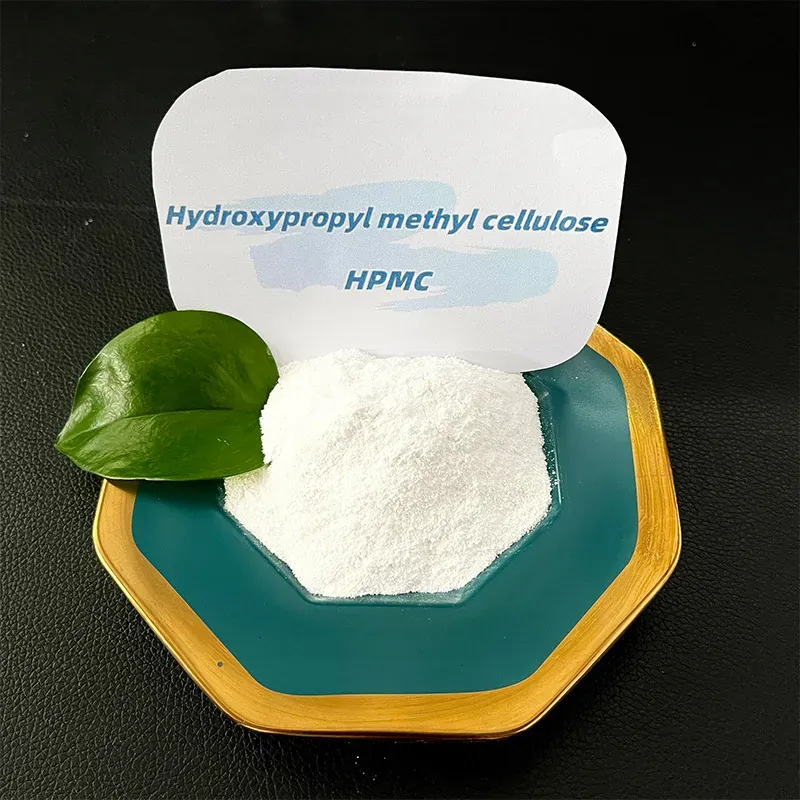
Hydroxypropyl methylcellulose (HPMC) films have become an integral component in various industries due to their versatile applications and exceptional properties. As an SEO expert, sharing authentic experiences and professional insights into the use of HPMC films can significantly enhance their online visibility, demonstrating expertise, authoritativeness, and trustworthiness in this specific niche. HPMC films are renowned for their excellent film-forming, adhesive, and dispersion abilities. In the pharmaceutical industry, they have revolutionized how medications are delivered, acting as effective binders and controlled-release agents in tablets. The use of HPMC films in drug delivery systems not only optimizes the release profiles of drugs but also helps in masking the bitterness of active pharmaceutical ingredients, enhancing patient compliance and experience. One personal experience in the development of an HPMC-based product involves an innovative application in the food industry. HPMC films serve as superb edible coatings, offering a moisture barrier that prolongs the shelf life of perishable goods without compromising their nutritional value or taste. This application leverages the solubility and non-toxic nature of HPMC, providing a safe and effective solution for food preservation. By collaborating with food technologists, we tailored the viscosity levels of HPMC to suit various food products, resulting in customizable and efficient edible coatings that meet diverse industry needs. From an expert’s perspective, the advantages of HPMC films extend to the construction industry, where they are used in cement and mortar mixes. HPMC enhances the workability and water retention of these mixes, improving the durability and strength of construction materials. This application underscores the multifunctional properties of HPMC films, where their modification capability allows for fine-tuning in diverse formulations, showcasing technical expertise in optimizing building materials. hpmc film Authoritative knowledge in the field of HPMC films emphasizes the biodegradable and eco-friendly attributes, aligning with global sustainability goals. Environmental concerns have heightened the demand for biodegradable materials in packaging solutions, and HPMC films offer a promising alternative to traditional synthetic polymers. By establishing partnerships with environmental scientists, it is possible to advance the application scope of HPMC films, boosting their acceptance as a sustainable and environmentally-friendly option in various industrial applications. Trustworthiness is a critical factor that enhances the credibility of HPMC films . The rigorous testing and regulatory approvals required for their use in pharmaceuticals and food products assure users of their safety and efficacy. Real-world case studies demonstrate the reliability of HPMC films, providing substantial evidence of their benefits and capabilities. Engaging with research papers, industry publications, and documented experiments further supports the trust in these films, driving a more informed choice among industries and consumers alike. In summary, HPMC films represent a versatile and multifaceted solution across several sectors. By highlighting firsthand experiences, professional expertise, and authoritative endorsements, companies can effectively elevate the SEO value of their HPMC film-related content. The focus should remain on articulating the unique benefits—such as compatibility, flexibility, and eco-friendliness—while ensuring content accuracy and depth to reinforce trust among users. As industries evolve, so too should the strategies to market and apply HPMC films, maximizing their potential in a sustainable and innovative manner.
-
Understanding Cellulose in Wood Cellulose is a vital organic polymer that plays a crucial role in the structural integrity of plants, particularly in wood. Found in the cell walls of plants, cellulose is the most abundant organic polymer on Earth, serving as a fundamental building block for plant structure and growth. This article explores the attributes of cellulose in wood, its function, and its significance in various applications. What is Cellulose? Cellulose is a polysaccharide composed of long chains of glucose units linked together by β-1,4-glycosidic bonds. This arrangement forms a rigid, linear structure that contributes to the tensile strength of plant cell walls. Cellulose molecules aggregate to form microfibrils, which bundle together to create fibers that provide support and rigidity to the plant. In wood, the cellulose content is a significant factor in determining the mechanical properties and durability of the timber. Role of Cellulose in Wood Structure In woody plants, cellulose works in concert with other polysaccharides, such as hemicellulose and lignin, to create a robust and resilient structure. Hemicellulose, which consists of shorter chains and various sugar monomers, acts as a filler that binds with cellulose fibers, while lignin provides additional strength and resistance to decay. The combination of these components contributes to the overall strength, flexibility, and resistance to environmental factors that wooden structures exhibit. Wood's cellulose content typically ranges between 40% to 50%, depending on the species and age of the tree. This high cellulose concentration is responsible for the characteristic properties of wood, including its ability to withstand tension and compression forces, making it an excellent building material. The Importance of Cellulose in Various Industries what is cellulose in wood Beyond its structural role in wood, cellulose has significant implications in various industries. In the paper and pulp industry, cellulose is extracted from wood using chemical processes to manufacture paper products. The purity and integrity of cellulose are critical for producing high-quality paper, which is used in everything from books to packaging materials. In addition, cellulose has garnered attention in sustainable practices and renewable resources. Biofuels made from cellulose, such as cellulosic ethanol, have emerged as an alternative to fossil fuels. These biofuels are derived from non-food plant materials, providing a sustainable energy source that can help reduce greenhouse gas emissions and reliance on non-renewable resources. Furthermore, cellulose is utilized in the textile industry to produce materials like rayon and lyocell. These fabrics, derived from processed cellulose, are known for their softness and absorbency, making them popular choices for clothing and home textiles. Research and Development in Cellulose Applications Ongoing research is focused on enhancing the efficiency of cellulose extraction processes and exploring new applications. Advances in biotechnology may lead to more sustainable methods of sourcing and processing cellulose, ultimately supporting a transition to greener practices across multiple sectors. Additionally, nanocellulose, a derivative of cellulose produced at the nanoscale, shows promise in various applications, including composites, coatings, and even biomedical materials. Its lightweight yet strong properties make it attractive for innovative uses that could transform industries ranging from packaging to electronics. Conclusion Cellulose in wood is a prime example of nature's ingenuity. Its robust structure not only supports the plant but also provides a plethora of opportunities for human applications. As we continue to explore its potential through research and innovation, cellulose remains at the forefront of sustainable development, bridging the gap between ecological responsibility and industrial advancement. Understanding the role of cellulose in wood is crucial for harnessing its benefits in a world increasingly focused on sustainability and renewable resources.
advantages
-

200000 Viscosities
Excellent product
We can produce pure products up to 200,000 viscosities
-

40000 tons
High yield
We don’t stop production all year round, and the annual output can reach 40,000 tons
-

24 hours
Quality service
We provide 24-hours online reception service, welcome to consult at any time
———— Inquiry Form
Schedule A services

-
 hibla_na_gawa_sa_sapal_ng_kahoy
Oct . 25, 2025
Starch derivatives are gaining significant traction in various industries due to their versatile app -
 hes_hydroxyethyl_starch
Oct . 25, 2025
The construction industry is constantly evolving, with innovations aimed at enhancing the durability -
 fibrillated_polypropylene_fibers
Oct . 25, 2025
The Advantages of Glass Fiber Reinforced Polypropylene In recent years, the demand for advanced mate


